A hands-on comparison of Adobe Express vs Google Workspace for filmmakers, exploring design, collaboration, and real-world workflow stress tests.

hello world!

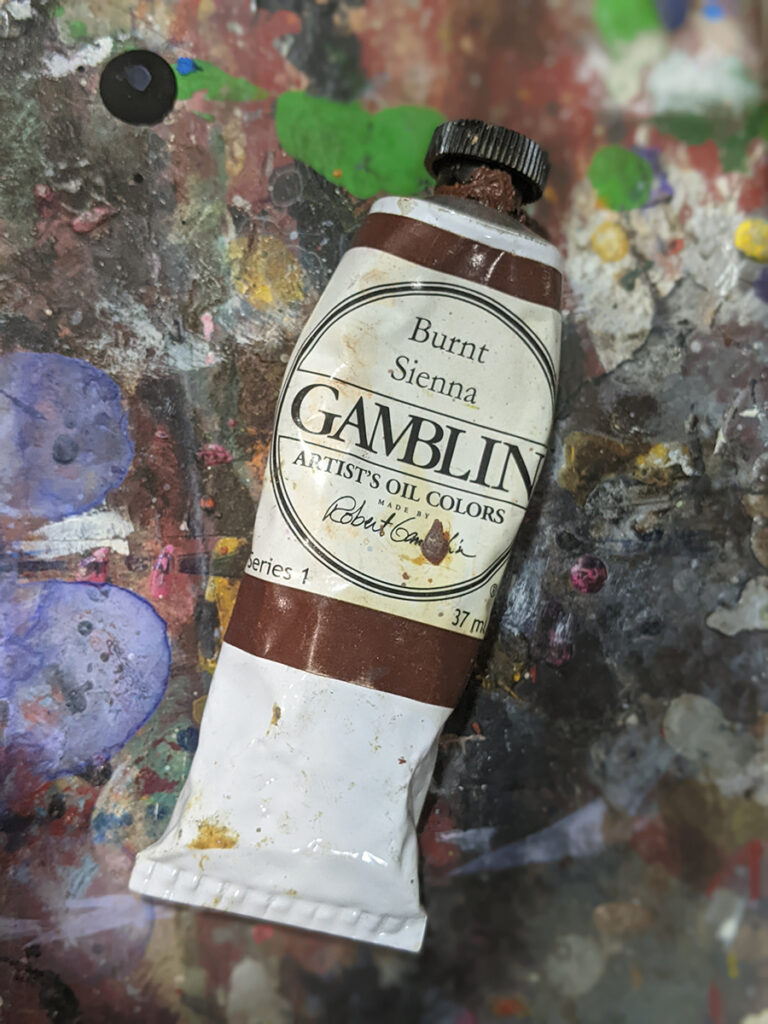
As a professional oil painter with over 15 years of experience, I've had the opportunity to work with a variety of oil paints.
Gamblin's advantage over brands like Sennelier or Michael Harding is that the founder Robert Gamblin understood the issues with old-world paints and took steps to perfect the old-world formulas. Thus Gamblin's old-world paints tend to be a higher quality than other brands. Also, Gamblin uses the same pigment in both oil paint brands, the only difference is the addition of marble dust.
If you really must paint with old-world-inspired paints, I recommend this brand over other brands because they take extra steps to produce high-quality old-world pigments.
Gamblin has a wide selection of sizes, from large to small tubes so that you can find the perfect size for your painting needs. They also have a range of sets for beginners and experienced painters alike. Gamblin uses the same exact pigments in both brands, so this rating system applies to 1980 Oils and Artist Oil Colors.
Gamblin classifies their colors into 5 categories.
Now for clarity, Gamblin's 5 categories must fit into the four types of pigments.
Gamblin's classification system gets wonky because organic is unintentionally misleading.
Their organic pigments are synthetic organic pigments, made from petroleum. One plus is that these paints are no longer made from animal parts, but rather are made from pigments meant to imitate animal parts. Also technically, carbon-based pigments are still organic (Oil comes from the ground), so there is a bit of nuance here.
The modern pigments are comprised of colors made from modern “organic” pigments, which have a molecular structure based on carbon. These include the “tongue-twisting” color names like Quinacridone, Phthalocyanine, and Dioxazine.
Gamblin
Mineral pigments in the Classical section are made the traditional way, meaning these pigments are dug up from the ground. Burnt Sienna is probably burnt dirt from Sienna Italy.
However what I appreciate about Gamblin is that they realize that painting with dirt might not result in the best painting experience, lightfastness, texture, or opacity, so they work hard to make a higher-quality pigment.
For example, what makes Burnt Sienna red is the limonite iron oxide in the dirt, so in theory, you could make the same exact color, but subtract the dirt. By using just the limonite iron oxide, and removing the dirt, the formula is improved. Gamblin is an old master's brand that I recommend because they take the old formula and improve it.
Pigments in the impressionist section are from the Impressionist era. In the late 1800s, painting was revolutionized by the invention of the paint tube and the invention of bright colors. Technically both mineral-based pigments and synthetic pigments are both inorganic. Cadmium paint is technically a synthetic pigment made from a chemical process. Therefore, the impressionist series paints are relatively true to what impressionists would have used in the 1880s.
The best oil paints Gamblin offers are its Artist's Oil Colors, which are made with pure pigment and stand up to the test of time. They come in a variety of shades and hues, from classic neutrals to vibrant brights.
The oil paints are mostly made from Alkali-refined linseed oil, which is non-toxic.
Gamblin is known within the artist community as a high-quality workhorse paint, partially because it’s cheaper than brands like Holbein. But it's also a brand for purists. You could buy only Gamblin brand everything, which would qualify as professional-level paint.
Gamblin also offers a range of grounds and mediums, so you can customize your painting to get the desired results. Other great products include oil sticks, professional gesso, and a selection of specialized tools for oil painting.
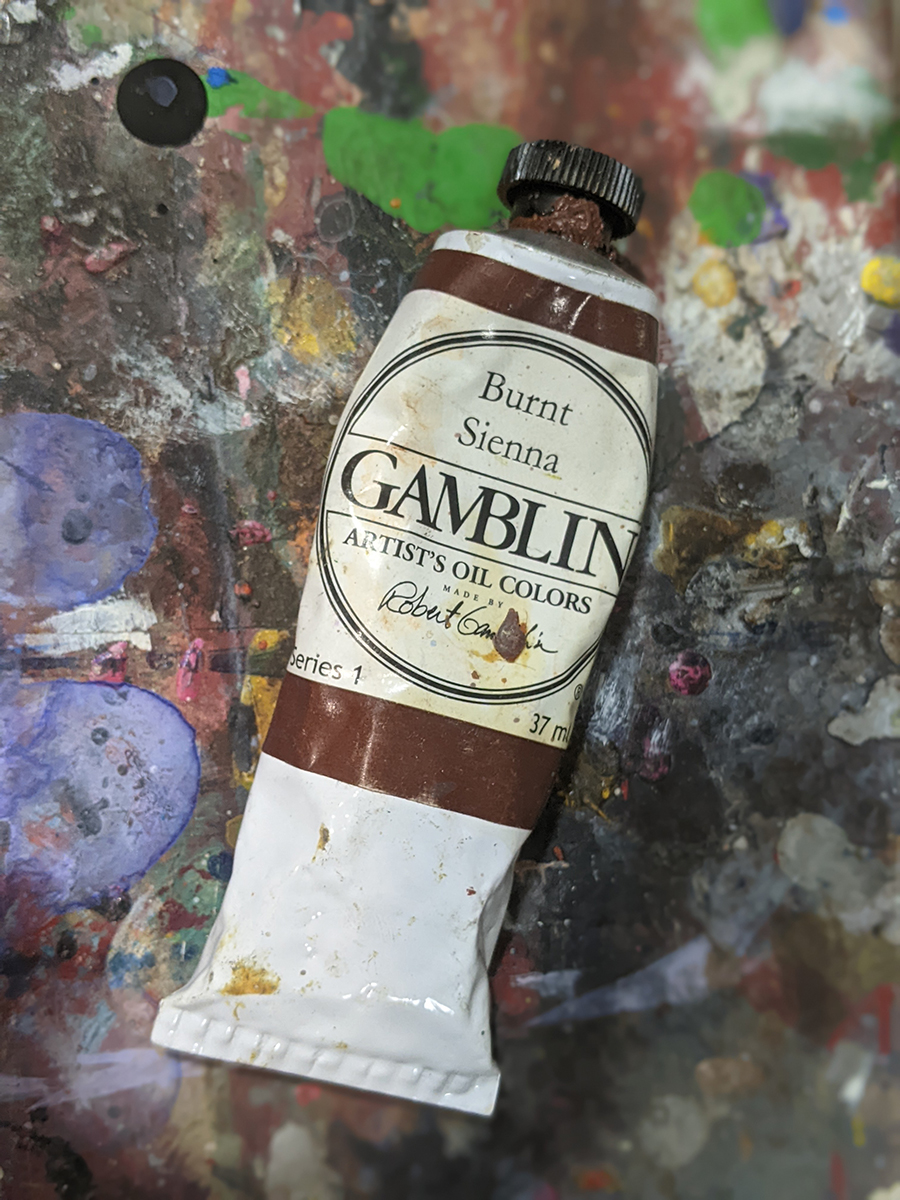
Gamlin Artists Oil Colors Review
Summary
With 90 colors, the range of available colors includes a full palette of colors with the addition of a few unique colors. So it has all the colors that you need to create your masterpiece.
When painting with Gamblin Artist Oil Colors, I found that some colors are better than others. For example, I love the Van Dyke brown and I cannot live without the Naples Yellow (flesh tone).
If you really must paint with old-world-inspired paints, I recommend this brand over other brands because they take extra steps to produce high-quality old-world pigments.
Gamblin artist oils are fine, meaning that they are milled to fine particle size.
According to Gamblin, "Mineral-based pigments have larger pigment sizes and lower tinting strengths than modern colors."
That means that the overall qualities of these paints, while still of professional quality, might not have as high of a pigment load (because the particles are bigger) or as strong of a tinting strength as brands like Holbein, or Sennelier.
Gamblin Artist Oil Color's main feature is that they are pure color paints with old-world inspiration. Gamblin is a semi-affordable brand in the middle of the cost curve. Gamblin has a good selection of colors made from various modern and traditional materials. In addition, they have no adulterants in the process, which means you'll get a pure color pigment each time.
In addition to producing high-quality pigment, Gamblin also focuses on ensuring their colors remain consistent. They use a proprietary color-matching system developed over years of research and testing to ensure that each batch of paint is identical to the previous one. This means that you can be sure the colors you paint with today are the same ones you will paint with tomorrow.
Pros:
Cons:
Furthermore, Gamblin also has a range of mediums, glazes, and varnishes available to customize your painting experience. These can help bring out the best in your colors and protect your painting from fading or cracking. These products are also made with the same attention to quality and consistency as the paints.
Their affordable-grade paint, the 1980s Oil Color, is made with the same stuff as their high-end pigment; they just add some calcium carbonate, which is different from other brands because they would mix different pigment types instead of just adding filler.
1980 Oil Colors Review

Summary
The difference between the artist's oil and 1980 oil colors is the addition of calcium carbonate. Calcium carbonate is an art binder; it has been used for hundreds of years to improve the texture and consistency of oil paint. However, tinting strength goes down with more binders.
Pros:
Cons:
According to Gamblin "Gamblin 1980 Oil Colors are made with the same dedication and pure pigments that go into our Artist’s Oils. In addition, we use the same process of mixing, milling, filling, and hand labeling."
The above quote means that the 1980 Oil Colors are just slightly watered-down versions of the premium Artist Oils.
Gamblin goes on to say the following "1980 colors are formulated with pure pigments, the finest refined linseed oil, and marble dust (calcium carbonate)."
An interesting tidbit about calcium carbonate is that it has been used in tubed paints since the 1800s. It is one of the oldest additives, and it may actually improve some properties of the paint. Without calcium carbonate, paints can separate in the tubes. This is a known problem with brands like Rublev(who don't add any calcium carbonate).
Thus the addition of calcium carbonate might not be a bad thing. Calcium Carbonate has the smallest particle size of 1-2 microns, meaning that it improves a lot of the properties of the paint it is added to such as tinting strength, opacity, texture, and consistency. That comes at the cost of pigment load.
At no extra cost to you, reviewers and secret shoppers may earn an affiliate commission from links on this site. Read more about our editorial policies. Interested in working with us? Email solutions@comprable.com
A hands-on comparison of Adobe Express vs Google Workspace for filmmakers, exploring design, collaboration, and real-world workflow stress tests.
A hands-on 2026 comparison of Adobe Express vs Canva for filmmakers. We stress-test both platforms across pitch decks, teaser trailers, lower thirds, thumbnails, and festival one-sheets to see which tool actually holds up in a professional workflow.
Top AI consulting firms compared by delivery model, focus area, and build capability. A practical guide for enterprise leaders.
I’ve read 85 books this year, and this list is my top 10 books of the year. P.S. All these are 5/5 stars
From e-commerce and gaming to automotive and care products, discover why Wix stands out as a versatile, fast, and cost-effective platform.
Based on millions of websites, GoDaddy is the fastest website builder with the highest Lighthouse scores of 70/100, Wix secured second with 62/100.
A hands-on comparison of Adobe Express vs Google Workspace for filmmakers, exploring design, collaboration, and real-world workflow stress tests.
A hands-on 2026 comparison of Adobe Express vs Canva for filmmakers. We stress-test both platforms across pitch decks, teaser trailers, lower thirds, thumbnails, and festival one-sheets to see which tool actually holds up in a professional workflow.
Top AI consulting firms compared by delivery model, focus area, and build capability. A practical guide for enterprise leaders.

Comprable is a source of product reviews, comparing prices and features for you.
Product reviews are generated by fellow shoppers like you.